
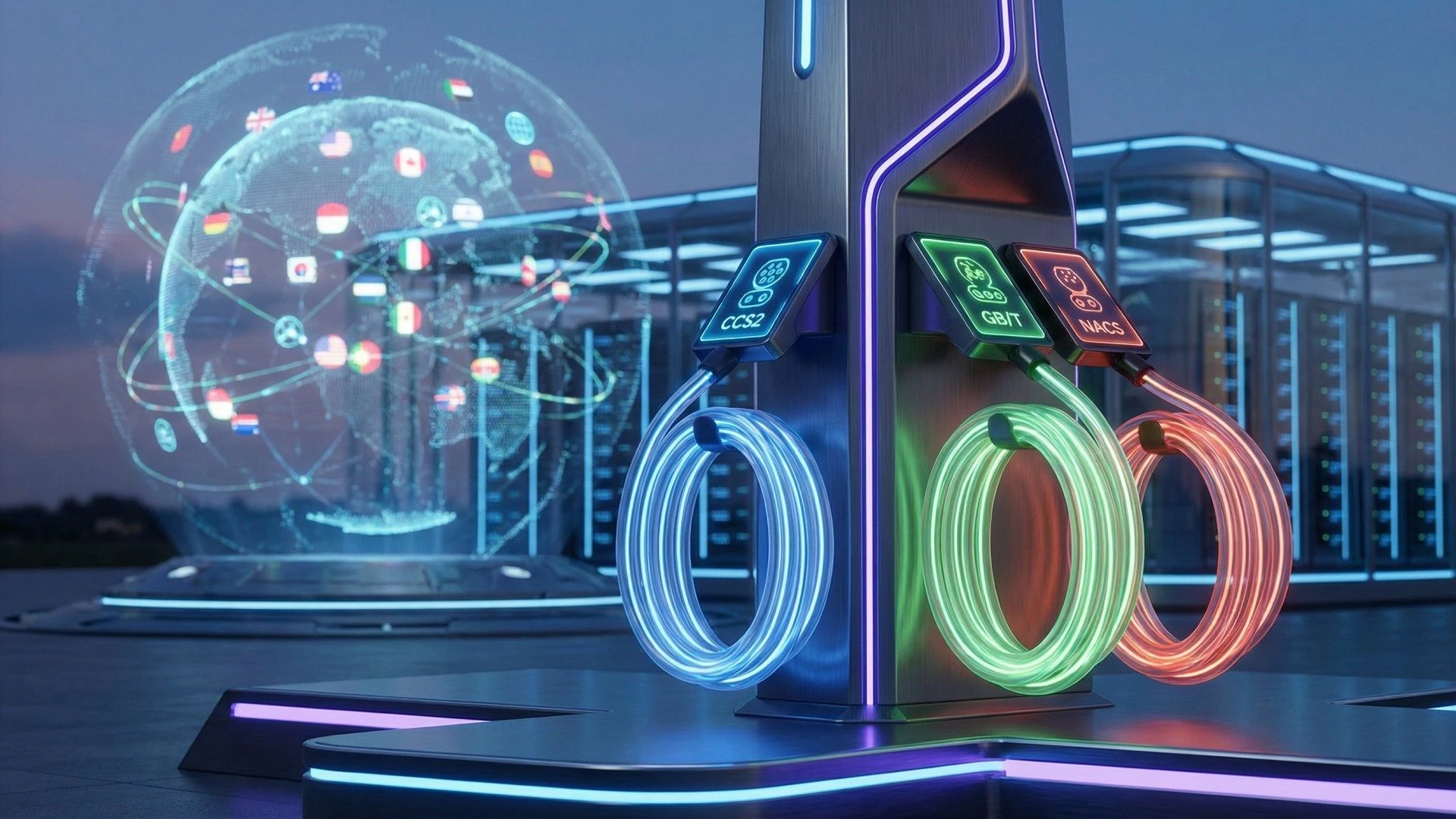
In 2026, the global EV infrastructure market is shifting toward higher power and smarter integration. For B2B importers, understanding the latest compliance landscape is the difference between a high-ROI project and a technical failure.
This MM Global Energy guide provides the updated 2026 regulatory framework for CCS, GB/T, and IEC standards.
Q1: What are the dominant EV charging standards in 2026?
Answer: While regional preferences exist, 2026 sees a push toward unified high-power protocols. The three main pillars remain:
-
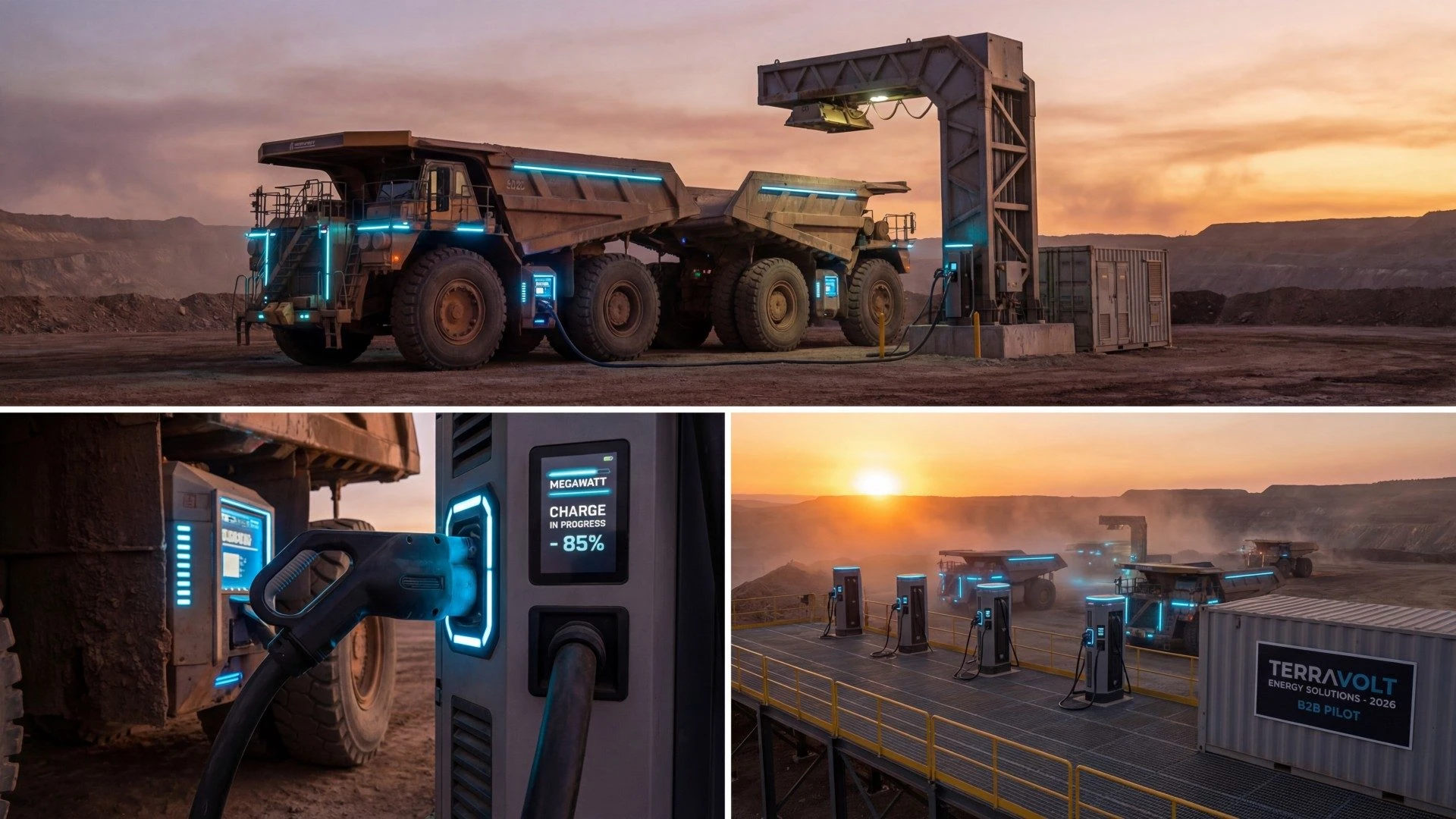
CCS2 (Combined Charging System Type 2): The 2026 standard for Europe, Southeast Asia, and South America, now supporting Megawatt Charging (MCS) for heavy-duty vehicles.
-
GB/T (China Standard): The world’s most deployed DC fast-charging protocol, widely exported to the Middle East and Central Asia in 2026.
-
NACS & CCS1: Dominant in North America, with NACS becoming the primary consumer interface while CCS1 remains relevant for existing commercial fleets.
Q2: How to choose the right charging protocol for your region in 2026?
Answer: Regional requirements have become stricter in 2026 regarding grid stability and safety. Importers must match the vehicle’s onboard inlet to the charger’s plug.
| 2026 Target Market | Standard (AC) | Standard (DC) | Key 2026 Trend |
| European Union | Type 2 (IEC 62196) | CCS2 / MCS | Mandatory AFIR compliance for public hubs. |
| Middle East | Type 2 | CCS2 / GB/T | 50°C+ High-temperature resilience required. |
| Southeast Asia | Type 2 | CCS2 | Shift toward 180kW+ DC Ultra-fast charging. |
| Central Asia | GB/T / Type 2 | GB/T | High demand for Chinese-spec EV compatibility. |
| Australia/NZ | Type 2 | CCS2 | Focus on V2G (Vehicle-to-Grid) integration. |
Q3: Why is IEC 61851-1:2026 compliance critical for B2B wholesale?
Answer: The updated IEC 61851-1 (2026 edition) focuses heavily on cybersecurity and smart grid interaction. For importers, buying IEC-certified hardware from MM Global Energy ensures:
-
Grid Protection: Advanced load balancing to prevent local grid overloads.
-
Future-Proofing: Compatibility with the next generation of 800V and 1000V EV batteries.
-
B2B Trust: Meeting the safety benchmarks required by government tenders and insurance providers.
Q4: How does 2026 technology solve the AC vs. DC charging dilemma?
Answer: In 2026, the “Dwell Time” logic has evolved with Smart Load Management.
-
2026 AC Charging (Up to 22kW): Best for “Destination Charging” (Hotels, Offices) using Type 2 connectors.
-
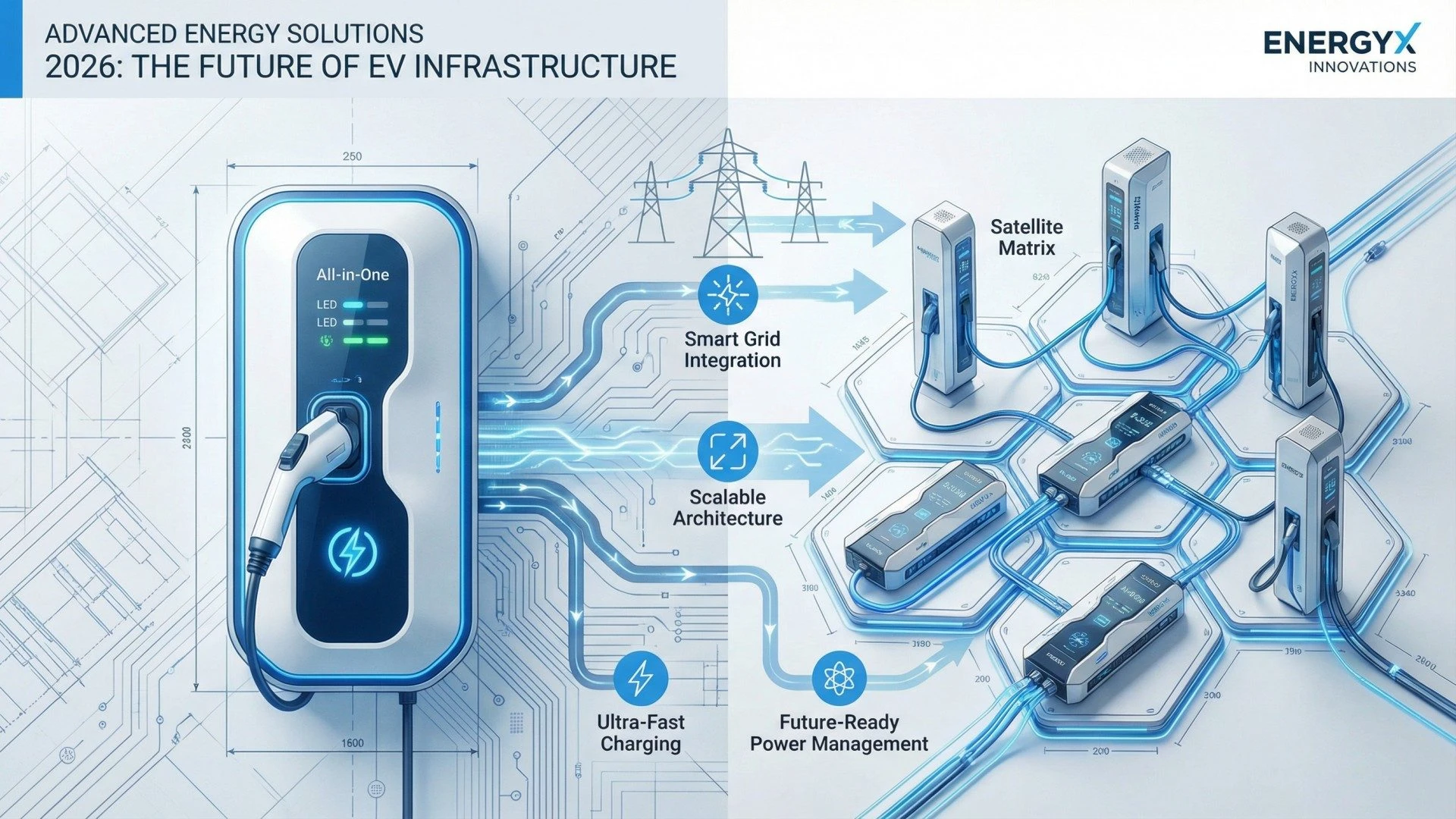
2026 DC Fast Charging (60kW – 480kW): Essential for “En-route Charging” (Highways, Logistics). MM Global Energy’s 2026 DC series now features 96% energy efficiency to minimize operational costs.
Q5: Can MM Global Energy customize 2026-compliant hardware for my brand?
Answer: Absolutely. We provide factory-direct OEM/ODM services tailored to 2026’s market demands:
-
Multi-Standard Support: Chargers equipped with dual-connectors (e.g., CCS2 + GB/T) to serve diverse fleets.
-
OCPP 2.0.1 Integration: Ready for the latest 2026 management software and ISO 15118 “Plug & Charge” features.
-
Extreme Environment Engineering: Certified solutions for 2026 global climates, from Arctic cold to Desert heat.
Conclusion: Stay Ahead in the 2026 EV Revolution
Navigating 2026’s regulatory standards is the first step to scaling your energy business. Partnering with a factory-direct expert like MM Global Energy ensures your infrastructure is compliant, efficient, and ready for the future.

One Response
Hi, this is a comment.
To get started with moderating, editing, and deleting comments, please visit the Comments screen in the dashboard.
Commenter avatars come from Gravatar.